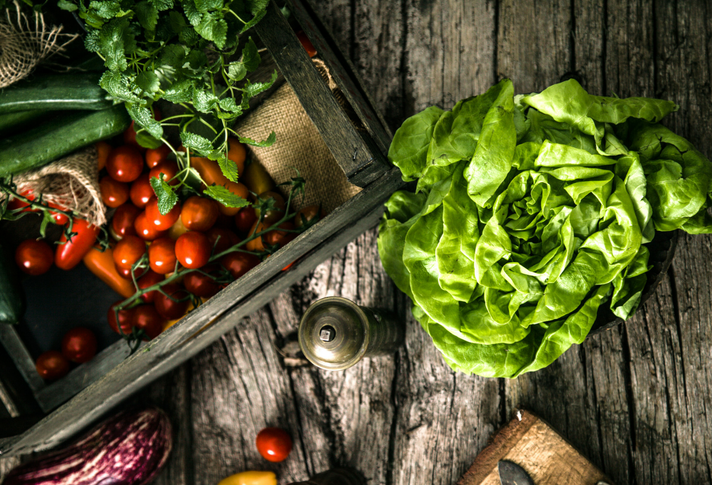
Face it Luke, the organic label remains strong with consumers in our galaxy, at least in the United States.
This despite recent publicity about pesticide levels in organically grown foods being equal to that of conventionally grown foods. Researchers tracking what people eat at the marketing firm The NPD Group say shoppers are “not likely” to switch back to conventionally grown foods because they’ve grown comfortable with the organic label.
What does that mean for gourmet independent kitchenware stores? It’s worth finding a way to reach out to organic-savvy consumers who are demonstrating that they are willing to pay more money for food labelling they perceive as healthier.
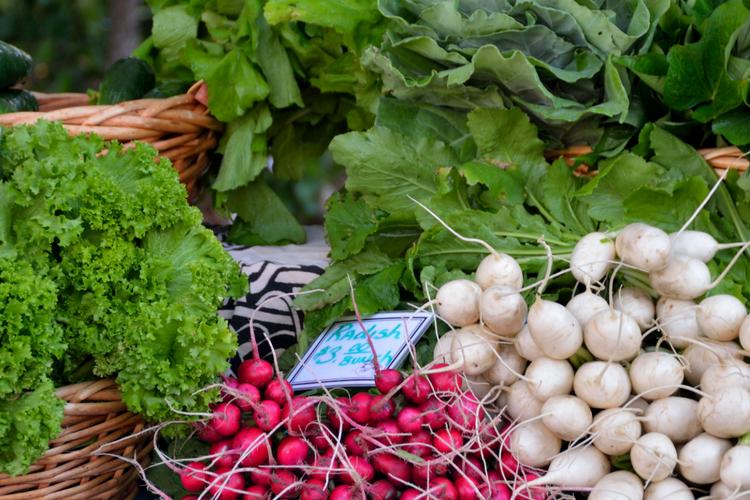
That could translate into consumers paying more money for cookware and cooking tools they see has helping them maintain a healthier lifestyle. Think salad spinners for that organic lettuce, canning jars for putting up organic produce or having your store serve as a drop off/pickup location for local organic farmers’ Community Supported Agriculture programs.
According to Darren Seifer, NPD’s food and beverage industry analyst, organic consumers hold a strong belief in their healthy lifestyles and aren’t looking to change. “Organic consumers will hold steadfast to their beliefs and continue to seek organic foods despite negative reporting,” he says, adding that like most other consumers “all-natural consumers will continue to place convenience and taste first.”
 NPD says consumption of organic beverages and foods has been growing for a variety of reasons, including increased availability, more affordable organic options than in the past and a growing number of healthy- and nutritionally conscious consumers.
NPD tracks the growth of all organic meals at about 9.7 percent during the current year as opposed to 7.5 percent three years ago. That means that over about a week 10 percent of the population consumes all-organic foods, 19 percent consume all-natural and organic foods and 20 percent eat all-natural only foods.
Still, 51 percent of the population don’t eat either organic or the hard-to-define “all-natural” foods at all, according to NPD’s National Eating Trends study, which continually tracks all aspects of how U.S. consumers eat.
And the study found that organic-only consumers tend to be female, ages 35 to 44 and 55 to 64 and have a household income of above $75,000, statistics that fit neatly with the typical shopper at an independent kitchenware store.
They also tend to be know-it-alls when it comes to healthy eating and frequently check labels, NPD points out. “They feel they know more about nutrition than most people,” the study says.